· Subha Karthik · 3 min read
Behind the Bin: What We Learned on the Rumpke Recycling Tour
Subha Karthik and Sathish LJ toured Rumpke's Cincinnati recycling facility-and saw why wish-cycling sends whole truckloads to the landfill. Climate change can feel distant; better daily habits make it personal, local, and solvable together.
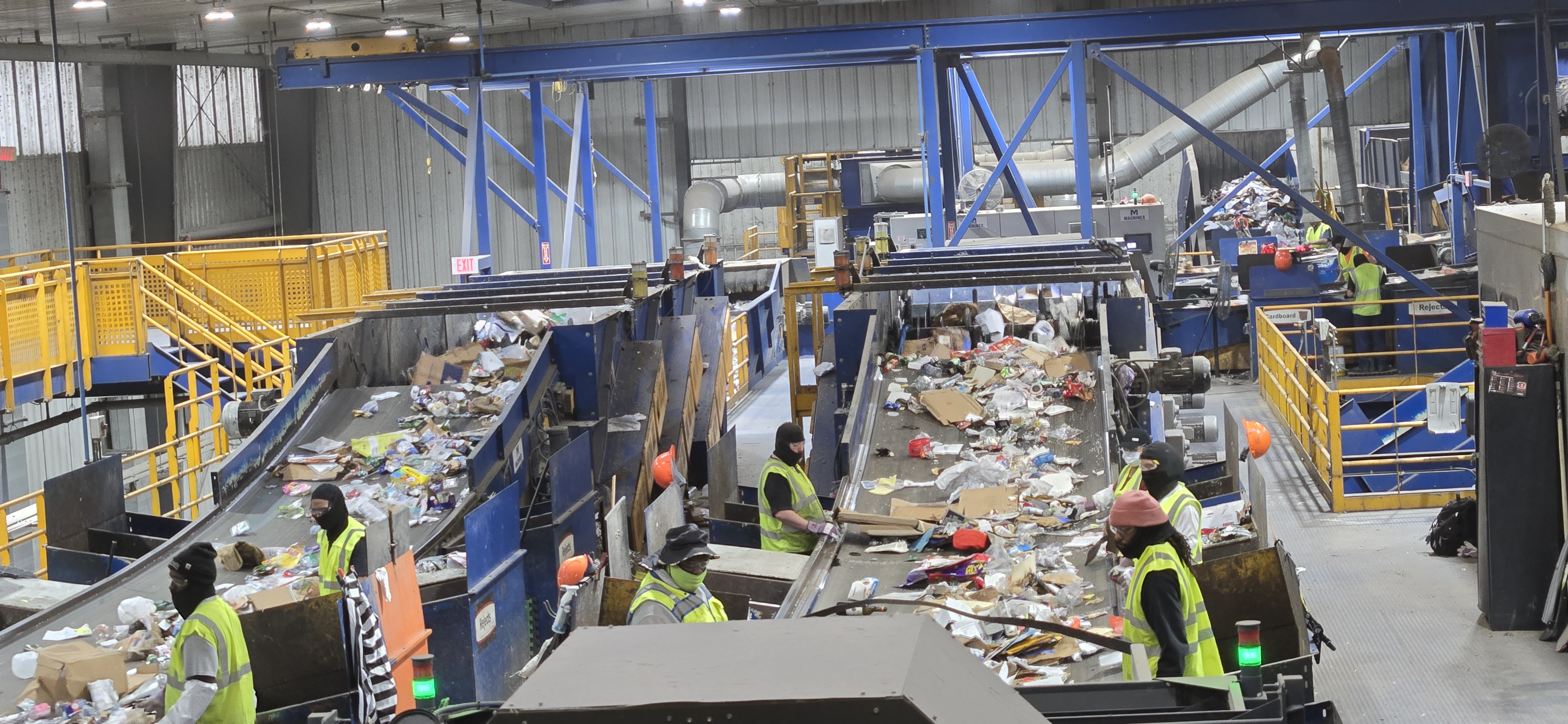
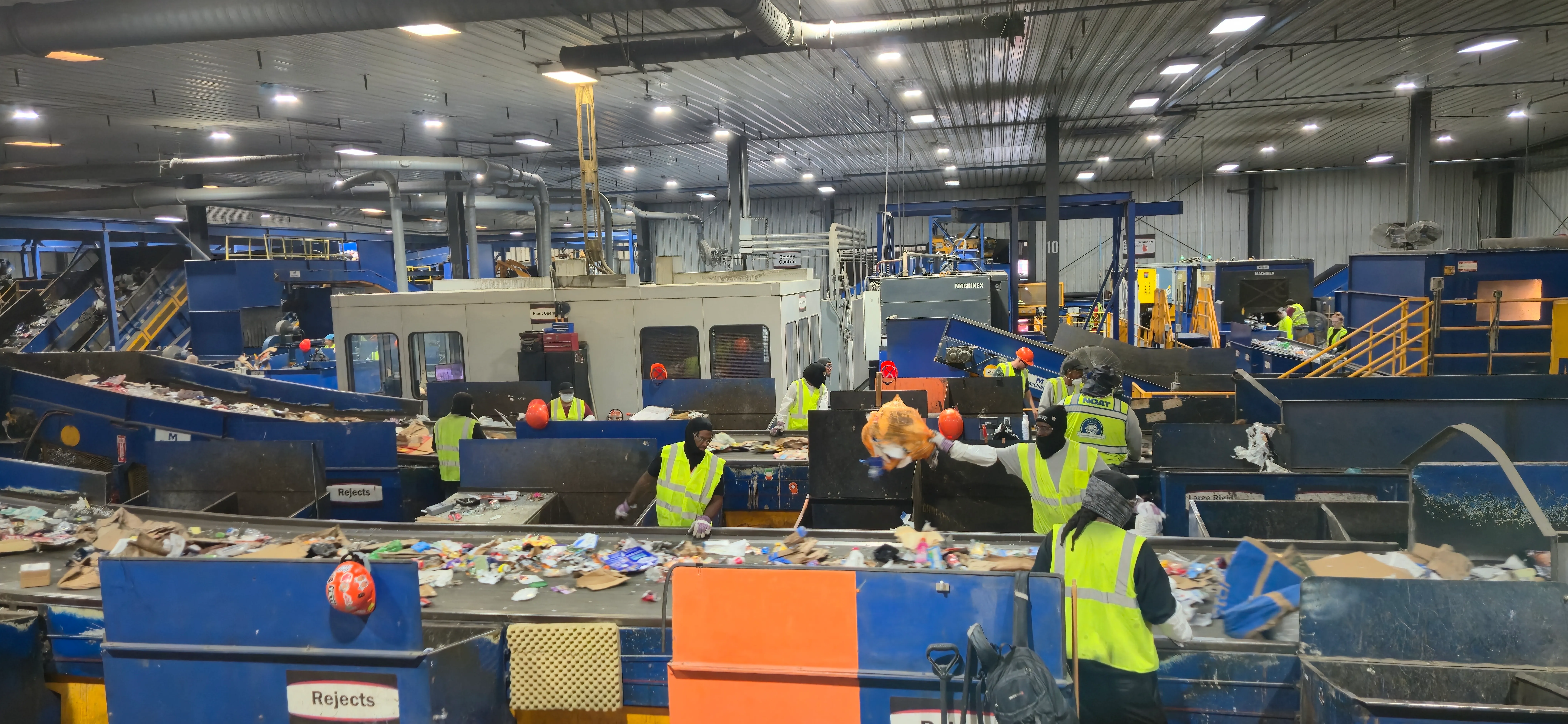
Standing above the sorting lines at Rumpke’s Cincinnati recycling facility, you feel the scale of what we throw “away” every day. Conveyors race. Workers in high-vis vests pull contaminants by hand. Machines roar. Nothing about it is abstract.
Subha Karthik and Sathish LJ recently took that tour-and walked out more certain than ever that recycling isn’t a vague good deed. It’s a system. And systems only work when we feed them the right materials.
The biggest eye-opener: wish-cycling
The absolute biggest eye-opener is what we call wish-cycling.
Almost all of us have done it-you hold an item, you aren’t sure if it’s recyclable, but you toss it in the green bin hoping it will be. Unfortunately, when non-recyclables enter the stream, they can contaminate whole batches, sending entire truckloads straight to the landfill.
Seeing that reality on the plant floor hits differently than reading a tip sheet. Contaminated loads aren’t “mostly recycled.” They can become fully wasted-plus extra work for the people and machines trying to salvage what they can.
High schoolers (and curious neighbors) belong on this tour
If you know a high school student who cares about the planet-or simply wonders where the bin goes-this facility tour is a powerful field trip. Rumpke’s Cincinnati tours are designed for high-school age and older, and they turn “reduce, reuse, recycle” from a poster into a living factory.
Watching optics, screens, and human hands sort cardboard, bottles, and cans side by side makes the rules stick. It also builds respect for the workers who keep our region’s recycling stream moving.
Climate change, stripped to everyday terms
When we hear about climate change, we usually hear about melting glaciers or rising oceans-and it can feel completely out of our control. But stripped down to everyday terms, climate change is simply a system overload.
Think of it like a kitchen trash can: we are extracting raw materials, making products, and dumping them into landfills way faster than nature can process them. When organic waste and trash sit squeezed together in landfills, they release methane-a gas that traps heat in our atmosphere like a thick blanket.
Every single item we keep out of a landfill isn’t just “cleaning up trash.” It means factories don’t have to mine or burn fossil fuels to make a brand-new item from scratch. When hundreds of neighbors fix their daily waste habits together, that thick blanket over our planet gets lighter.
Learn to recycle better-together
So learn to recycle better. When you take small steps alongside your community, your individual action multiplies.
- When in doubt, find out-don’t wish-cycle. Check local rules before you toss.
- Clean and empty containers so good materials don’t get rejected.
- Keep bags and film out of the curbside cart unless your program says otherwise.
- Invite a friend or classroom to book a Rumpke recycling center tour and see the system for themselves.
Join the EcoPal community
Ready to divert more waste with clearer habits? Download the EcoPal app from the App Store or Google Play, join the EcoPal community, and learn how to divert waste-one intentional choice at a time.
Collective action. Lasting change. Behind the bin, that slogan stops being a tagline and starts looking like a conveyor belt we all share.